
PHYSIO-LED COACHING FOR STUCK Adult CLIMBERS
For the climbers who want to train hard, but keep getting tweaks here and there trying to push past their ceiling.
(Limited to 5 spots a month to maintain the quality of my service to you)
Break through your plateau and climb your most confident at mega crags around the world
If you’ve been stuck somewhere around V5 to V8 for a while, chances are you’ve already tried doing more climbing and more hangboarding. Maybe even tried to lose some weight. For many, it ends the same way, with tweaky fingers or a sore elbow and grades that still haven’t moved.
The thing is, the effort is usually already there. What’s missing is a plan built around your body and the fact that you’re training after a full day at work.
That’s what the Rebuild to Redpoint System™ is. It’s coaching from a physiotherapist, adjusted every week based on how you’re recovering. Unlimited messaging with me, so if a finger feels off mid-session or you’re unsure about a set, you get an answer from someone who knows your program.
Not just "lose some weight" and not just "climb more." Just smarter training in your gym, so you show up at the crags, whether local or abroad, climbing your best, with a tick list you're excited about.
who this is for:
✓ You've been stuck at the same grade for six months or more, and more climbing isn't changing it
✓ You’re climbing more, hoping it eventually clicks”
✓ Your fingers or elbows hurt more often than not, and you're climbing through it
✓ You walk into the gym without a real plan and leave not sure if it’s helped your climbing
✓ You’re burning out, and climbing isn’t as fun as it used to be
this isn’t for you if:
✗ You can’t commit to three sessions a week of climbing and strength work
✗ You want a magic hangboard routine or a guarantee of two grades in eight weeks
✗ You’d rather just climb and skip the strength work off the wall
✗ You need every session to feel like a send day
✗ You’re looking for someone to drag you to the gym. I’m here to guide the effort you’re already putting in
SOUNd familiar?
SOUNd familiar?
Here's why I built Base+ Climbing
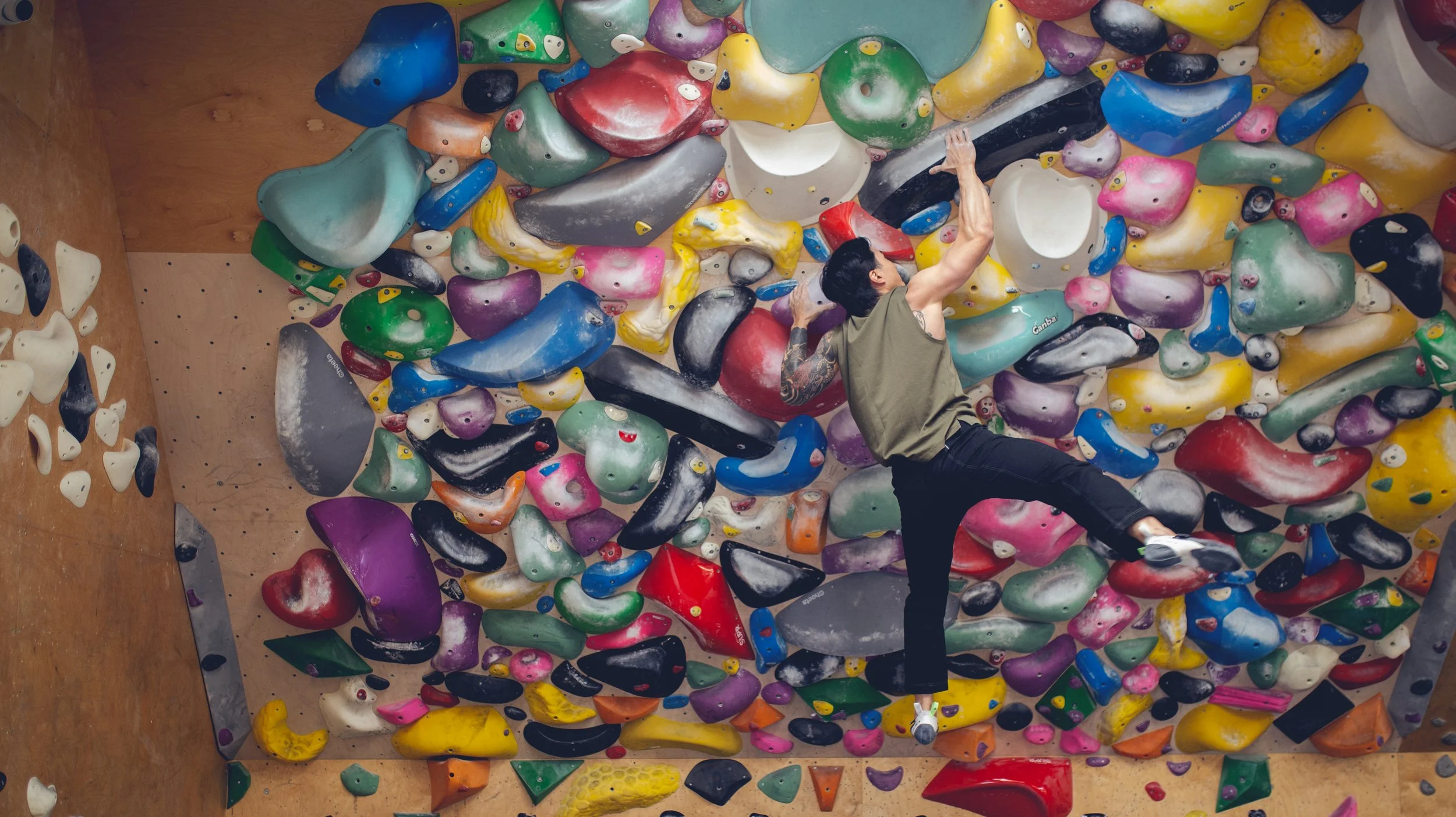
I was climbing and climbing, hoping to just get better while working 40-hour weeks as a physio
My name is Jon
I’m a physiotherapist and Climbing Coach
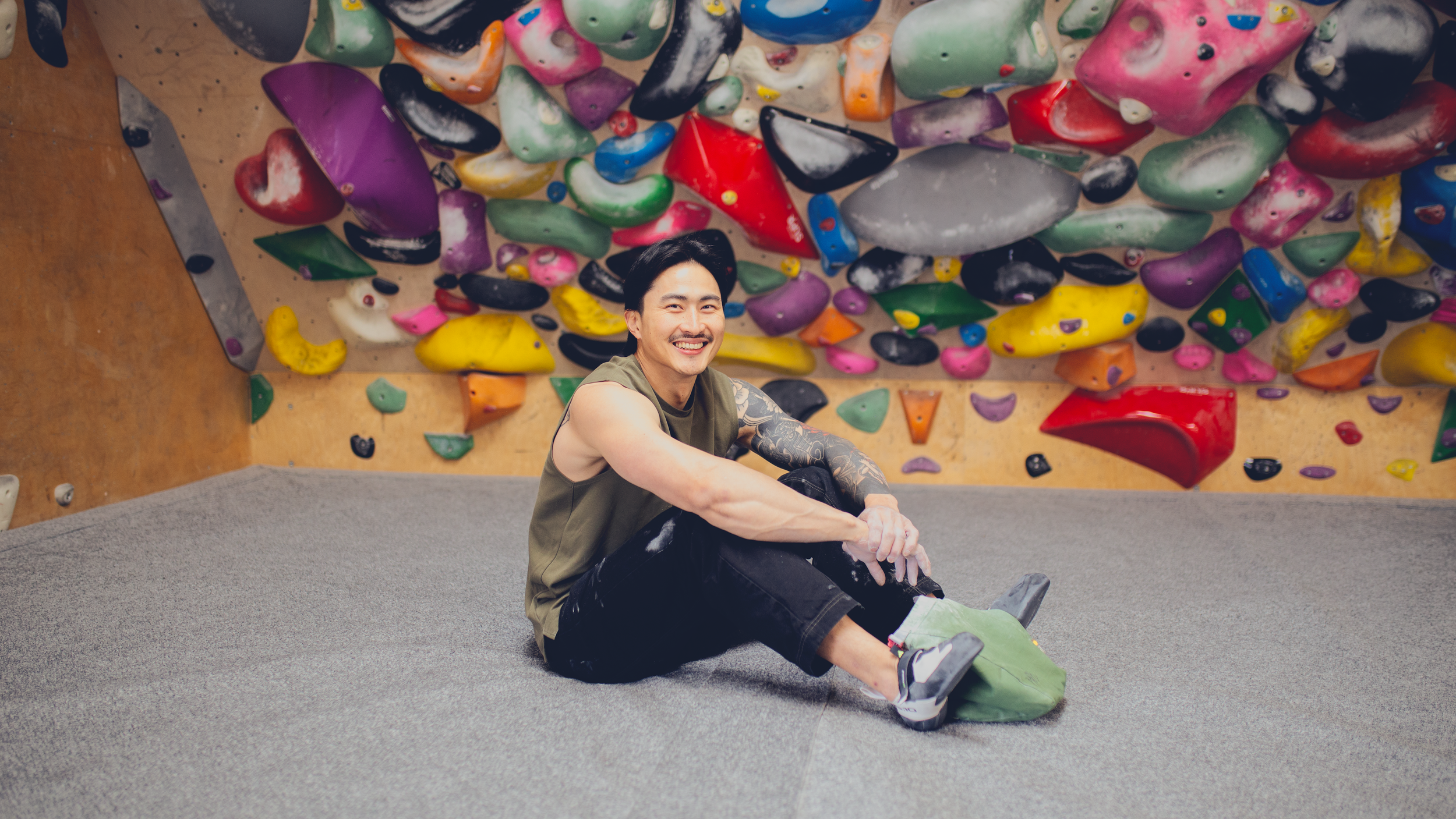
AHPRA-REGISTERED PHYSIOTHERAPIST · 10 YEARS POWERLIFTING · 8 YEARS CLIMBING · V10 AT 86 KG
I was in strength sports for over ten years before I started climbing, and the advice I got was to drop the lifting, lose some weight and just climb more. So I did, and as a newly graduated physiotherapist, I still ended up with five injured pulleys, two hamstring injuries, and the belief I was too heavy to improve.
Bringing strength training back, paired with my own six years of physio experience on load and recovery, is how I wrote my own path and turned it around for myself. I’ve since climbed multiple V10s at 86kg (190lbs) and Base+ Climbing is the coaching I wish I’d had back at V5.
-
Before climbing, I spent ten years as a powerlifter. When I made the switch, the advice I kept hearing was to drop the lifting, lose some weight and just climb more. So I did. I stopped lifting, I cut calories, I doubled my climbing sessions and even started hangboarding on top of a full-time job.
I’d just graduated as a physiotherapist, so you’d think I’d have known better. I didn’t. The niggles in my fingers turned into five injured pulleys and dropping strength training left my hamstrings unprepared, and I tore them twice. Somewhere along the way I’d convinced myself I was just too heavy to get any better.
What turned it around was going back to what I already knew. At work I was seeing patients every day and leaning on the fundamentals of physio. And from ten years of lifting, I knew how to get stronger in structured blocks, with barely any changes on the scales.
So I started treating my climbing the same way. I measured what was actually working instead of guessing, and trained in blocks with a clear focus for each one. I paid attention to how sleep and stress were affecting my recovery, and I stopped believing my bodyweight decided my ceiling.
That’s where the Rebuild to Redpoint System comes from. The rehab and load management come from physio, and the strength and power phases come from my years strength training.
The injuries settled first, and the grades followed once I could train consistently. I’ve since climbed multiple V10s at 86 kg, my absolute favourite being London Gentleman in the Grampians.
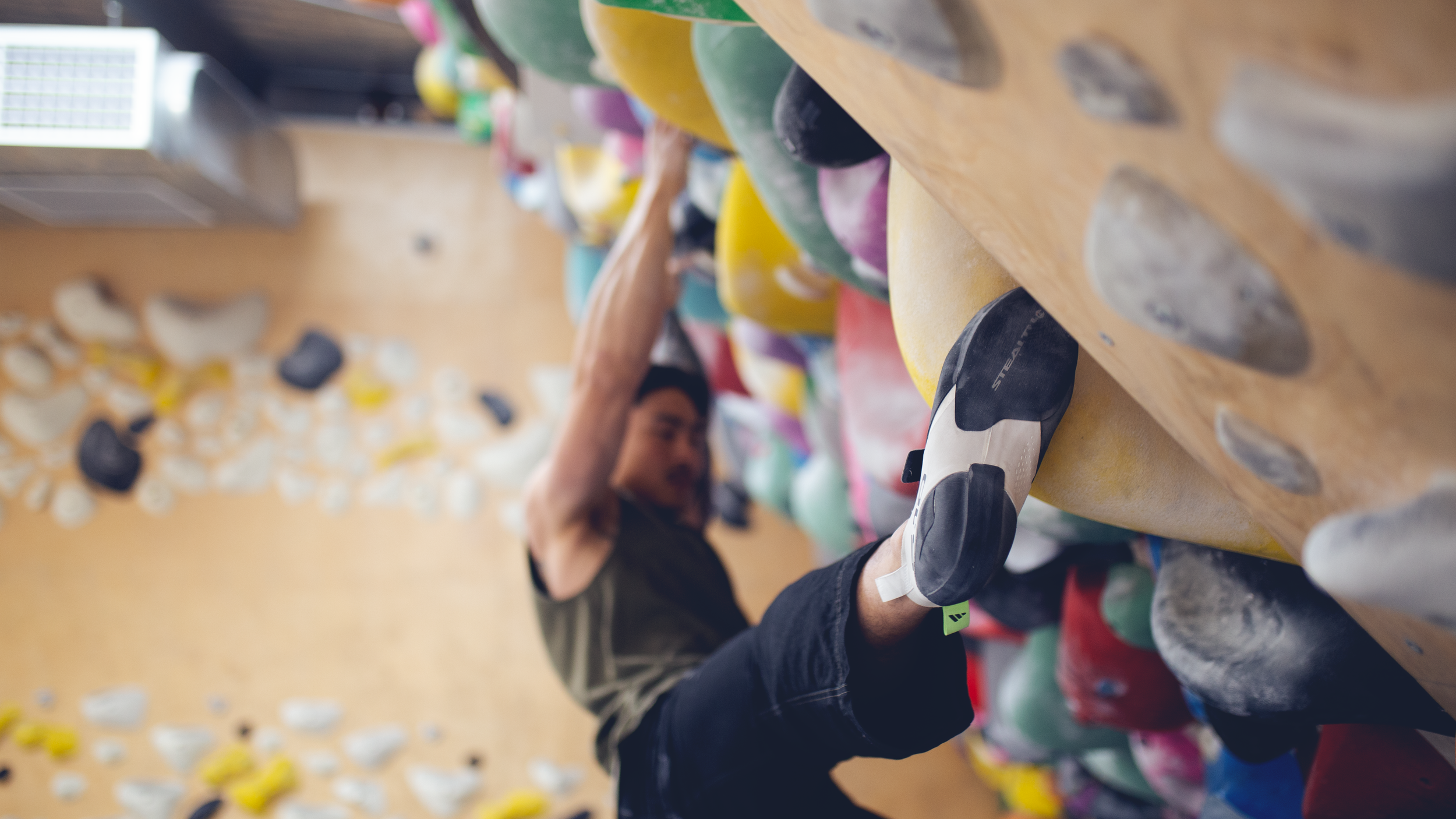
I began coaching almost four years ago and began with youth climbers, while taking on a few adults. I found, with my physiotherapy background, I could help many of the adults manage their injuries in a similar way to how I did myself. Most of the climbers I coach now are where I was, training hard around a full-time job with no real plan, usually with a sore “something” they’re climbing through.
I built Base+ for the injured and stuck climber I was at V5, the person who didn’t know what he didn’t know, who was working hard and going nowhere, who kept being told the answer was just more.
Hear it from the climbers
Chris. USA. 8 years climbing
Chris had been disappointed with training plans in the past. What set this apart was how personal it was
"it takes into account all aspects of me as a person"
and the communication
"With some coaches you feel like a nuisance asking questions. I never felt that."
David. Australia. 5 years climbing
What David values most is being managed and not just pushed:
"Proper load management — someone who actually cares and will call you out: hey, you're working too hard, take some rest."
Dagmar. Denmark. 10 years climbing
Kept having sessions with no real purpose. Fun, but going nowhere
What changed was structure: "I have shorter sessions now with a specific focus. It's calmer to walk in knowing what you have to do, do the work, and feel a sense of accomplishment"
CHRIS. USA. 12 years climbing
For years Chris kept breaking down. His back, elbow, and fingers.
"Every session was at my limit, maxing out everything. I was getting stronger, but injuries always caught up."
Once his program was built around his back, elbow and fingers, the focus shifted to managing load, and he’s been training consistently since.
THE REBUILD TO REDPOINT SYSTEM™
My fancy name for block periodisation. The four phases are the framework, but the length and order of each block are built around you. Some people spend longer rebuilding, and more advanced climbers often get a mix of blocks in an undulating style.
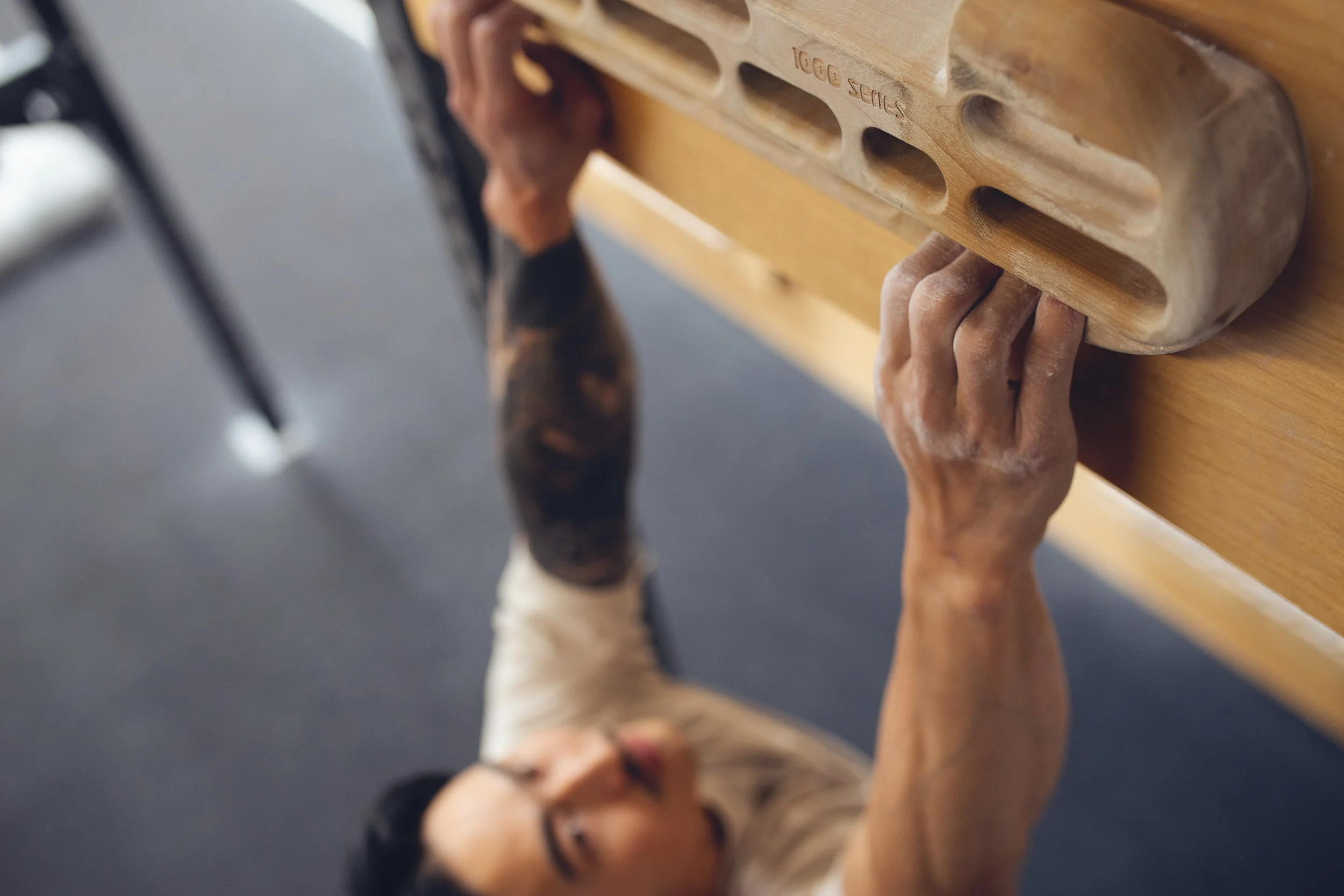
PHASE 1: Rebuild
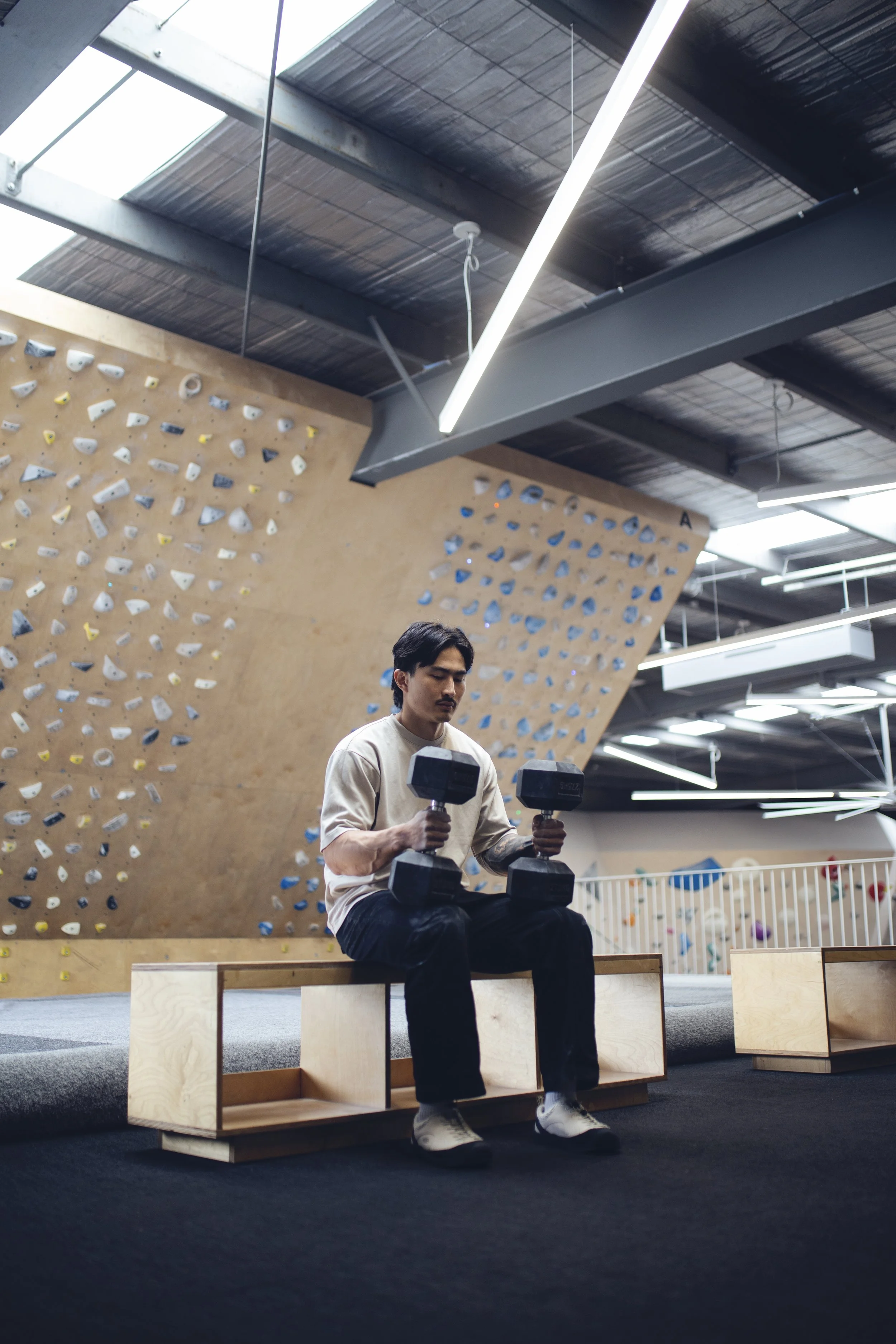
Most people I start with have decent strength. What they don’t have is the base to keep showing up. Their fingers are sore by Thursday, they’re wrecked after a hard session, and they can’t string together a few good weeks before something flares up. So the first block is about building that back. Some easy aerobic work, learning to lift properly, and loading your tissues gradually so they can handle what’s coming. It’s not exciting, and you’ll probably feel like you could be doing more. Don’t worry, you will be soon.
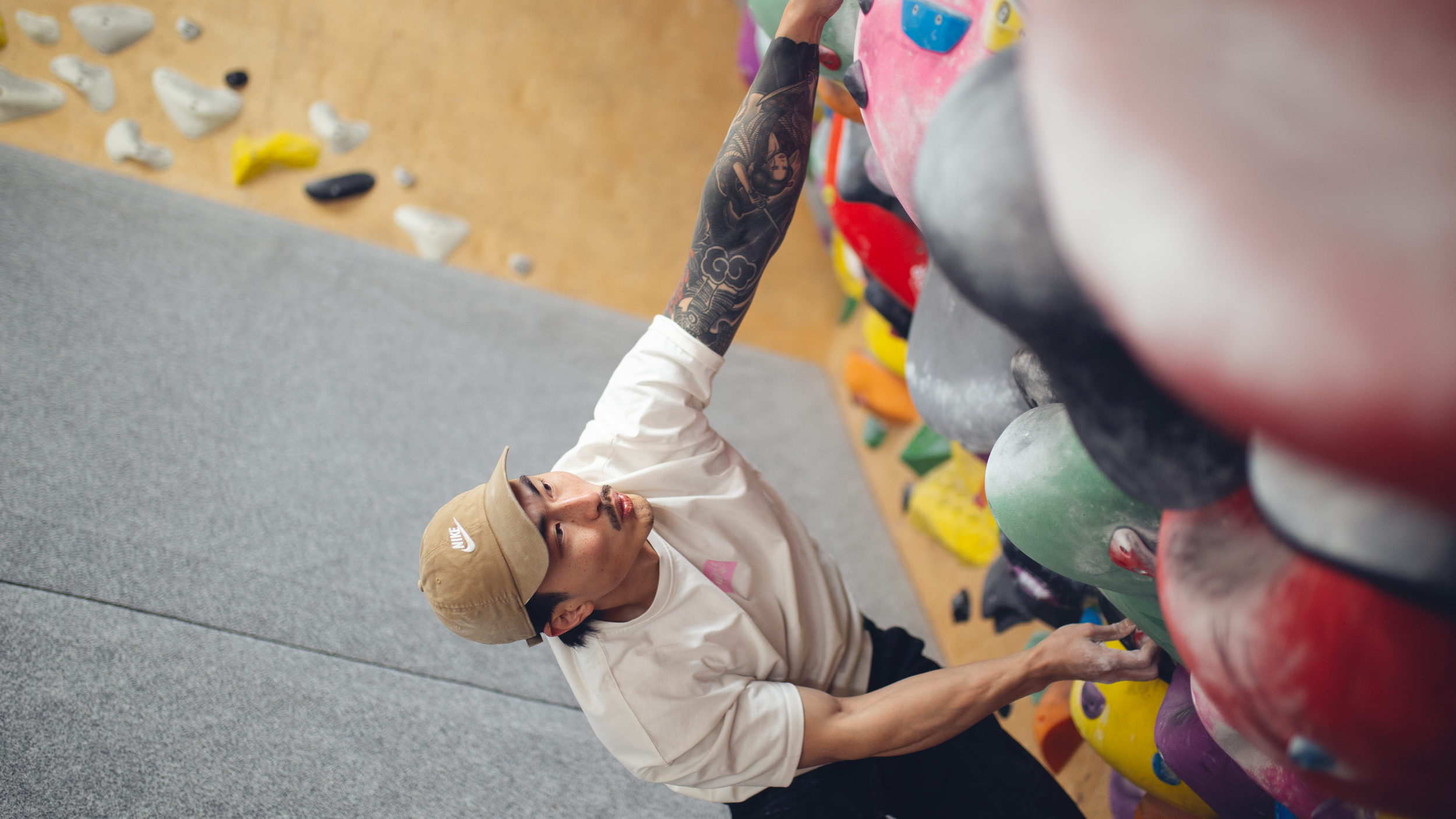
PHASE 2: Reinforce
Now we start loading. Expect heavier lifts and structured strength work for your fingers, tracked on a Tindeq if you’ve got one. I’m watching your training load every week, so if work or sleep takes a hit we adjust the plan around it. Most people are surprised how much their numbers move in this block.
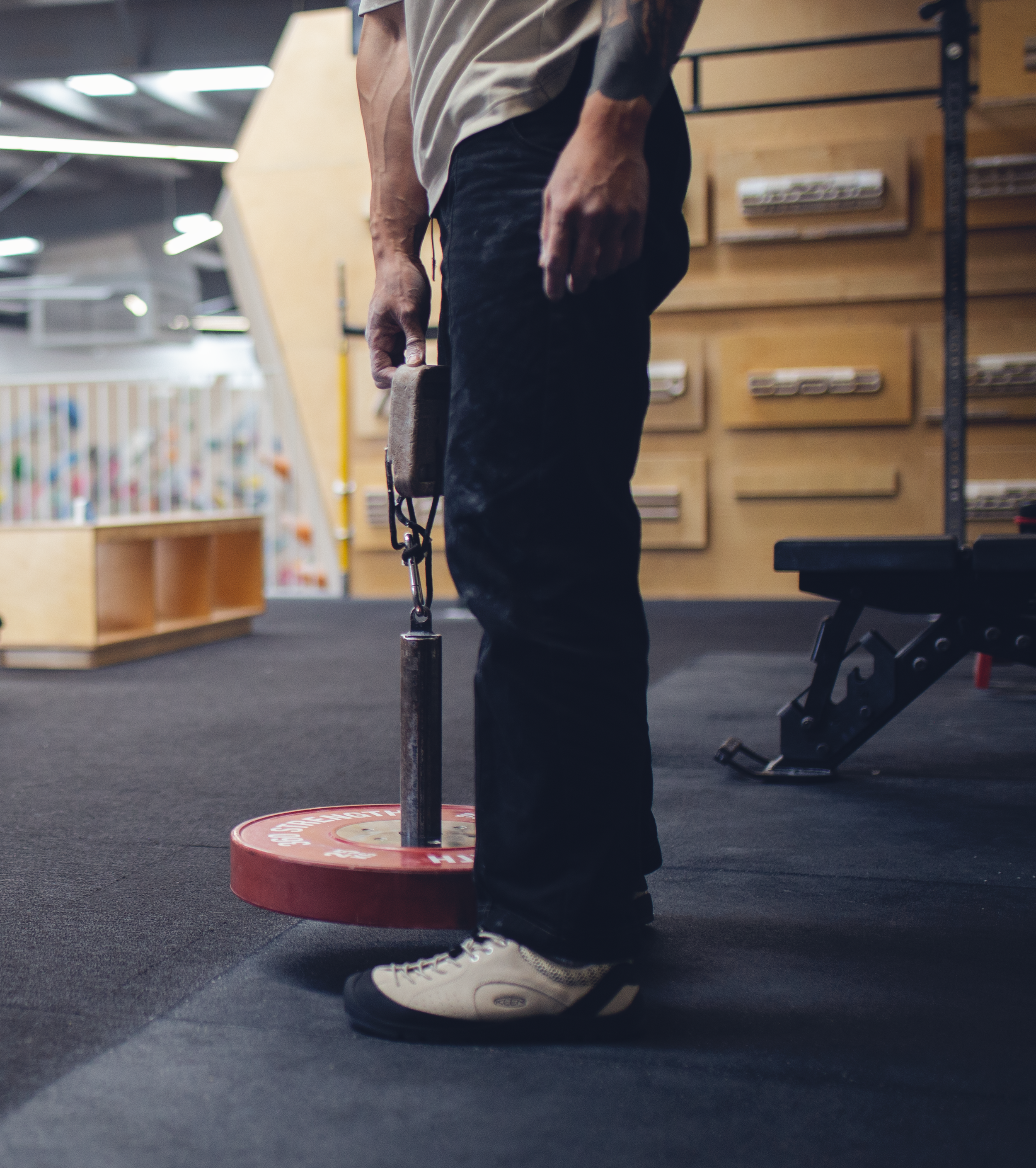
PHASE 3: Recruit
Being strong in the gym doesn’t help much if you can’t get it onto the hold in time. On a hard move you’ve got a fraction of a second before you’re off, so this block is about speed. How fast you can bite down, how quickly you can switch on. We bring a lot more climbing back in here, and the strength from the last block starts showing up on the wall. For most people this is where it starts to feel different.
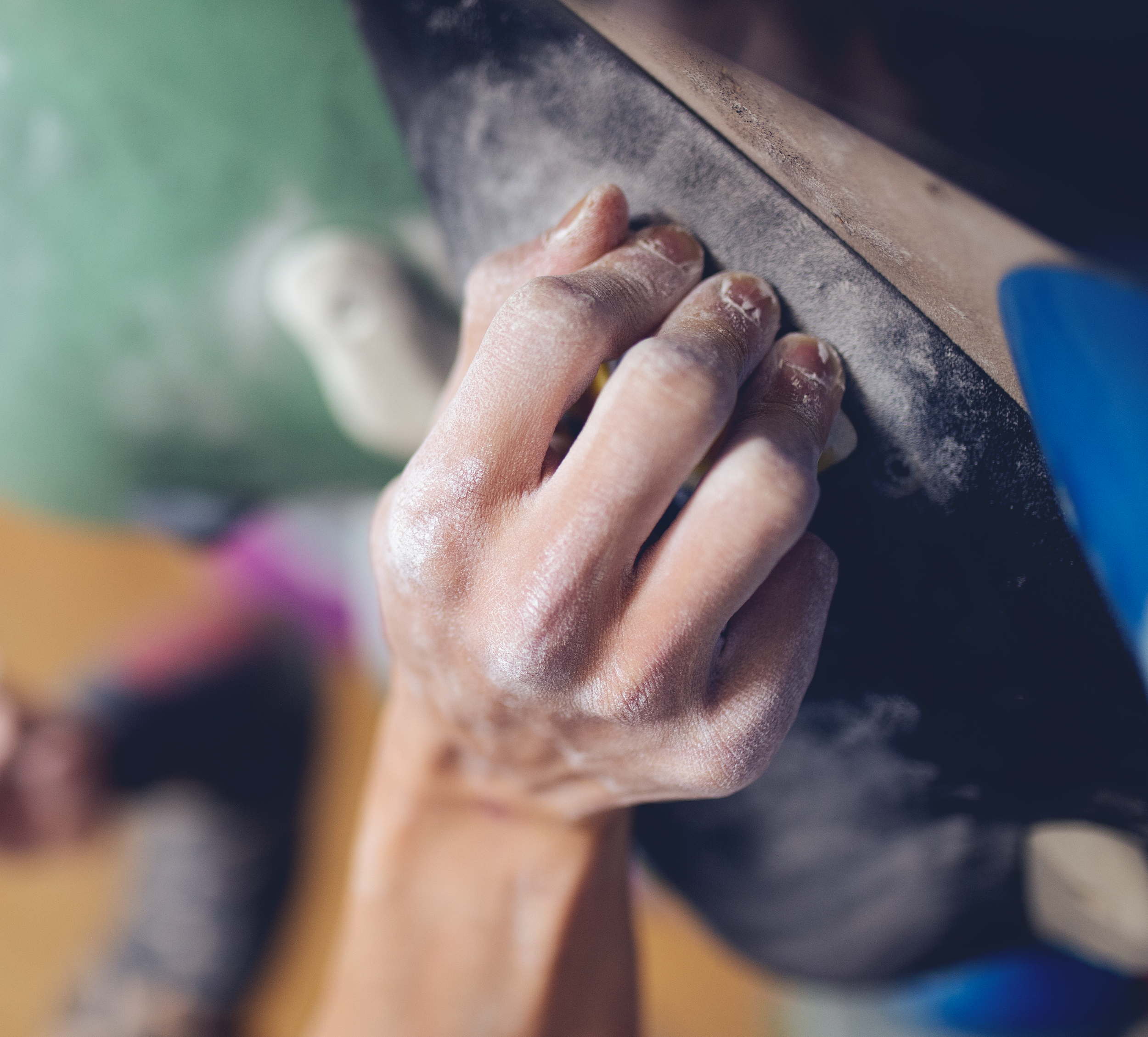
PHASE 4: REdpoint
By now the work’s been done, so we pull the training back and let your body catch up. Training volume drops and climbing goes up, so you head into your project feeling fresh. This is the part people tend to get nervous about, because doing less feels wrong when you’re used to doing more. I’ll walk you through the taper so you understand why we’re doing it, and so you can run one yourself after the 12 weeks. If there’s a line you’ve been thinking about, this is the block to plan the trip around.
ONCE YOU’RE IN…
ONCE YOU’RE IN…
-
You get a 12 or 24-week program built around your body and your week. Most programs fall apart the first time work gets hectic, and you lose weeks of progress feeling guilty about missed sessions. Yours gets updated every week from our conversations, so a bad week just means an adjusted week. You keep moving forward instead of starting over.
-
You’ll have a direct line to me on Discord. Text me whenever something comes up. Something feels off, or you want beta on your project? Send it through. Film your climbs and lifts and I’ll send back a Loom breaking it down so that you can apply it all on your next session. For most clients, this ends up being the most useful part.
-
Most weeks, messaging covers everything. But some things are easier to talk through, like a niggle that’s flared up, a big change at work, or working out what’s next once the 12 weeks are done. When that happens, we jump on a call. No set schedule, just whenever it feels helpful.
-
No more juggling a PDF, a notes app and a spreadsheet you stopped updating in week three. Everything lives in the coaching app I built: your program, your reflections, and your strength log. It also tracks your acute to chronic workload. It compares what you’ve done this week with what your body’s used to. When that ratio climbs too fast, injury risk can go up, so I can pull things back. You open one app, you know what today’s session is, and you can see how far you’ve come.
Apply to work with me here
Climbers coached from across Australia, the US, Europe, and the UK.